
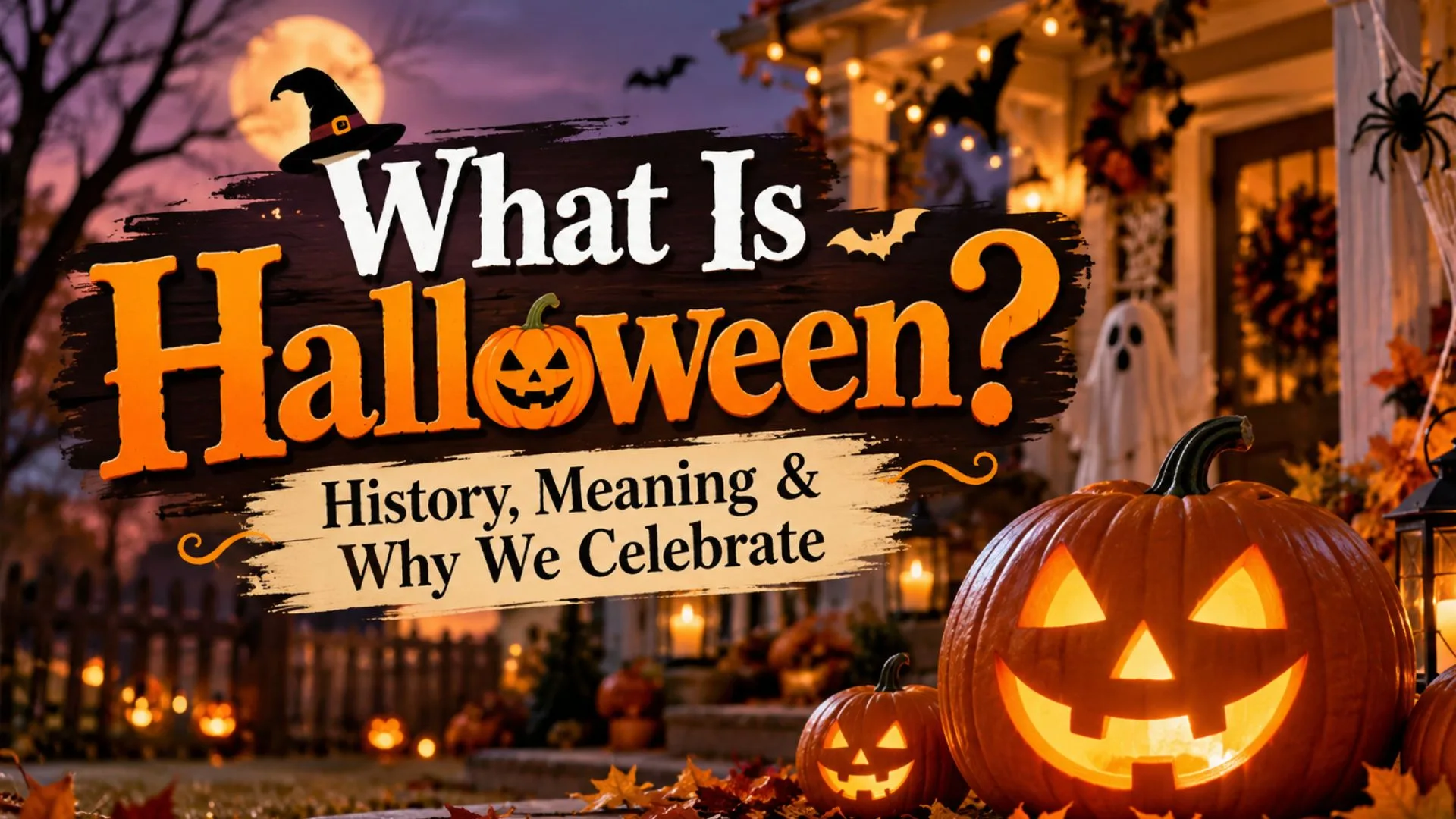
Halloween Falls on October 31 every year. In 2026, it will be celebrated on a Saturday. Known for its spooky atmosphere, Halloween brings people together for fun activities such as wearing costumes, carving pumpkins, decorating homes, and going trick-or-treating for candy. But have you ever wondered how these traditions started? Halloween has a long history, and many of its popular customs have interesting stories behind them.
From the ancient Celtic festival of Samhain to the legend of Stingy Jack, several traditions have helped shape the Halloween we know today. Even the holiday’s name and its famous black-and-orange colors have historical connections.
The History and Origins of Halloween
Halloween’s origins are often linked to Samhain, an ancient Celtic festival associated with the end of the harvest season and the beginning of winter. However, historians continue to examine how closely this festival is connected to modern Halloween traditions. Some researchers question the idea that today’s Halloween developed directly from an ancient Celtic festival celebrating the return of the dead. Halloween traditions also spread and changed over time as people moved between countries. During the nineteenth century, Irish immigrants brought their customs and celebrations to the United States, helping shape the holiday’s development in American communities. As these traditions evolved, Halloween gradually became associated with costumes, pumpkin carving, candy, and neighborhood celebrations. Today, it is enjoyed by people who want to celebrate the spooky season, express their creativity, and spend time with friends and family.
What Is Halloween?
Halloween is an annual celebration observed on October 31. It is known for costumes, trick-or-treating, pumpkin carving, spooky decorations, candy, and festive gatherings. Although it has historical connections to ancient Celtic and Christian traditions, many people today celebrate Halloween as a cultural and seasonal holiday. The word Halloween comes from “All Hallows’ Eve,” meaning the evening before All Saints’ Day, a Christian observance held on November 1. Over time, the name became shortened to Halloween.
Today, Halloween is especially popular in the United States, where children and adults participate in activities ranging from neighborhood trick-or-treating to costume parties and haunted attractions. For some people, Halloween is about exploring spooky stories and supernatural themes. For others, it is an opportunity to spend time with family, enjoy autumn activities, express creativity, and connect with their communities. In simple terms, Halloween combines historical traditions with modern entertainment, making it a celebration enjoyed in different ways by different people.
Why Do We Celebrate Halloween?
Halloween is celebrated today for a combination of historical, cultural, and social reasons. Its meaning has changed over the centuries, but several traditions continue to influence the holiday.
1. To Remember Ancient Seasonal Traditions
One of Halloween’s oldest influences is Samhain, an ancient Celtic festival associated with the end of the harvest season and the beginning of winter.
Samhain marked an important seasonal transition. According to historical accounts of Celtic beliefs, this time of year was associated with the boundary between the living and the spirit world. Celebrations included bonfires and customs intended to protect people during the darker months.
These beliefs helped establish the supernatural themes that remain part of Halloween today.
2. To Continue Cultural and Religious Traditions
Halloween also developed through its historical connection with All Hallows’ Eve, the evening before All Saints’ Day.
Christian observances associated with remembering saints and the dead became part of the wider history of the season. As customs changed and spread, elements of older seasonal celebrations and Christian traditions influenced one another.
For this reason, Halloween has a layered history rather than a single origin.
3. To Enjoy Costumes and Creative Self-Expression
Dressing up has become one of Halloween’s most recognizable activities. People wear everything from classic witch and vampire costumes to fairies, angels, superheroes, movie characters, and imaginative original designs.
Costumes allow people to experiment with different identities, express their creativity, and enjoy a little theatrical fun. For fashion and beauty lovers, Halloween is also an opportunity to explore dramatic makeup, statement accessories, nail art, and imaginative outfits.
4. To Bring Families and Communities Together
Halloween offers a reason for neighbors, friends, and families to celebrate together. Children may go trick-or-treating, families decorate their homes, and friends organize costume parties or autumn gatherings.
Schools and community organizations may also host seasonal events. These activities help make Halloween a shared experience rather than simply a holiday focused on spooky themes.
5. To Enjoy Seasonal Entertainment
Ghost stories, horror movies, haunted houses, pumpkin carving, and themed treats are now major parts of Halloween culture.
Some people prefer genuinely frightening experiences, while others enjoy cute pumpkins, friendly ghosts, and lighthearted costumes. This variety makes the holiday flexible enough for different ages and preferences.
Ultimately, many Americans celebrate Halloween because it combines creativity, entertainment, seasonal traditions, and social connection.
Frequently Asked Questions About Halloween
1. What is Halloween and why do we celebrate it?
Halloween is an annual celebration on October 31 with roots in ancient Celtic traditions and historical Christian observances. Today, people celebrate it through costumes, trick-or-treating, decorations, parties, and other seasonal activities.
2. When is Halloween celebrated in the United States?
Halloween is celebrated every year on October 31. In 2026, it falls on Saturday, October 31.
3. What is the original meaning of Halloween?
The name Halloween developed from All Hallows’ Eve, the evening before All Saints’ Day. Its broader history includes the ancient Celtic festival of Samhain and traditions associated with the seasonal transition into winter.
4. Where did Halloween originate?
Halloween’s historical roots are strongly connected to the ancient Celtic festival of Samhain, observed in regions including Ireland and parts of Britain. Later Christian traditions and customs brought to America by European immigrants helped shape the modern holiday.
5. Why do people wear costumes on Halloween?
Costumes have historical connections to older customs and beliefs involving spirits and protection. Today, people mainly wear them for fun, creativity, parties, and self-expression.
6. Why do children go trick-or-treating?
Modern trick-or-treating developed from older door-to-door traditions involving food and seasonal observances. In America, it evolved into a popular activity in which children visit participating homes to collect candy and other treats.
7. Why are pumpkins associated with Halloween?
Pumpkins became popular Halloween decorations partly because Irish immigrants brought vegetable-carving traditions to America, where pumpkins were plentiful and easy to carve. The resulting jack-o’-lanterns became a lasting holiday symbol.
8. Is Halloween celebrated only in America?
No. Halloween is celebrated in many countries, although its popularity, customs, and meaning vary. Some places emphasize costumes and parties, while others observe different autumn or remembrance traditions around the same time.
Looking for more style inspiration, costume ideas, Halloween nail designs, and beauty trends? Visit our blog page at Izoate Fashion for more inspiration.
[…] What Is Halloween? History, Meaning & Why We Celebrate Angel Halloween Costume for Women: 6 Cute & Glamorous Ideas for 2026 Cute Cupid Halloween Outfits: 10 Stylish Ideas for Women Halloween Eye Makeup Ideas: 6 Cute & Spooky Looks for 2026 Burgundy Fall Nails: 10 Chic Nail Art Ideas to Try in 2026 […]